Selecting Sustainable Building Materials
Building an eco-friendly cannabis greenhouse is not only a step toward sustainable cultivation but also a commitment to environmental stewardship. One of the critical components of this endeavor is selecting sustainable building materials. By making mindful choices, growers can minimize their ecological footprint while creating a productive and efficient growing environment.
The first step in selecting sustainable building materials is to consider their environmental impact. Materials should be evaluated based on their production process, transportation emissions, and overall carbon footprint. For instance, locally sourced materials are often preferable because they reduce the need for long-distance transportation, thereby cutting down on greenhouse gas emissions. Additionally, using materials with a long lifespan and those that can be reused or recycled at the end of their life cycle contributes significantly to sustainability.
Bamboo is a prime example of a sustainable building material ideal for an eco-friendly cannabis greenhouse. Known for its rapid growth and renewability, bamboo is a versatile material that can be used for structural elements, flooring, and even as a shading device. Its natural strength and flexibility make it a durable choice that can withstand various environmental conditions.
Reclaimed and recycled materials also offer sustainable alternatives. Using reclaimed wood or metal not only reduces the demand for new raw materials but also diverts waste from landfills. This approach not only supports the principles of a circular economy but often adds unique aesthetic qualities to the greenhouse structure.
Learn more about greenhouses for cannabis production here.
In addition to structural materials, insulation is another critical consideration. Effective insulation reduces the energy required to maintain optimal growing conditions. Sustainable options include cellulose insulation, made from recycled paper, and sheeps wool, both of which offer excellent thermal performance and are biodegradable at the end of their life.
The choice of glazing for the greenhouse is equally important. Recycled glass or polycarbonate panels can be used to maximize natural light while maintaining energy efficiency. These materials are not only durable but also help in reducing the reliance on artificial lighting, further lowering energy consumption.
Finally, incorporating renewable energy systems like solar panels can significantly enhance the sustainability of a cannabis greenhouse. By harnessing the power of the sun, growers can meet their energy needs without relying on fossil fuels, thus minimizing their environmental impact.
In conclusion, selecting sustainable building materials for an eco-friendly cannabis greenhouse involves thoughtful consideration of the entire lifecycle of the materials used. By prioritizing locally sourced, renewable, and recycled materials, growers can create a sustainable and efficient growing environment. This not only supports environmental conservation but also sets a precedent for responsible cultivation practices in the cannabis industry.
Implementing Energy-Efficient Systems
In the quest to cultivate cannabis sustainably, building an eco-friendly greenhouse is a significant step forward. As the cannabis industry continues to grow, implementing energy-efficient systems within these greenhouses is not only environmentally responsible but also economically beneficial. This approach reduces energy consumption, minimizes the carbon footprint, and often results in a healthier crop yield.
To begin with, energy efficiency in a cannabis greenhouse can be significantly enhanced through the strategic use of natural resources. Harnessing solar energy is a prime example. By installing solar panels, greenhouses can capitalize on renewable energy to power lighting, climate control systems, and other essential operations. This transition not only decreases reliance on fossil fuels but also reduces energy costs over time.
Another critical aspect of implementing energy-efficient systems is optimizing the greenhouses heating, ventilation, and air conditioning (HVAC) systems. These systems often account for a substantial portion of energy use in a greenhouse. Advanced HVAC technologies, such as geothermal heat pumps and energy-efficient fans, can maintain optimal growing conditions while using less energy. Additionally, integrating smart systems that monitor and adjust temperature and humidity levels in real-time can further enhance efficiency by ensuring that resources are used only as needed.
Lighting is another area where energy efficiency can be greatly improved. Traditional high-intensity discharge (HID) lights are notoriously energy-consuming and generate a lot of excess heat. Switching to LED grow lights can dramatically reduce electricity usage and maintain appropriate light levels for cannabis growth. LEDs not only consume less power but also have a longer lifespan, reducing waste and the need for frequent replacements.
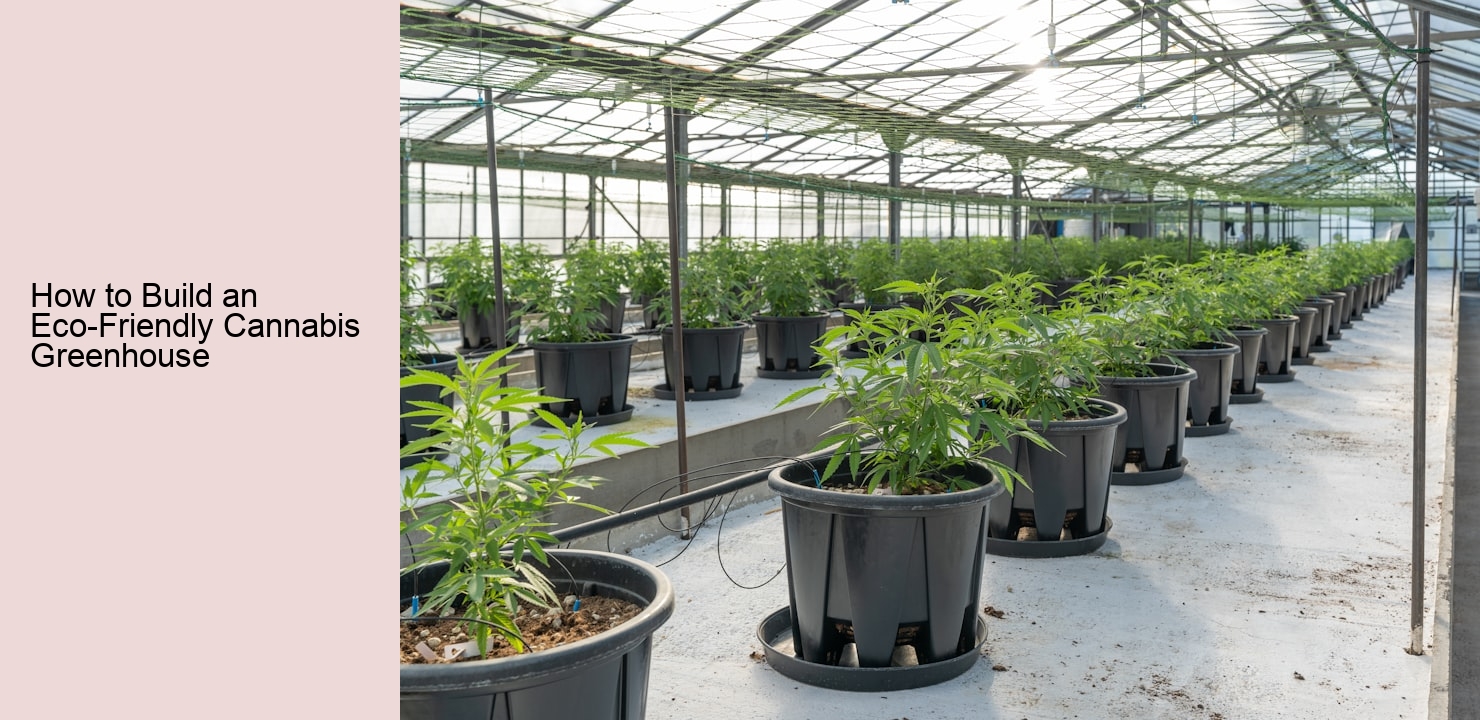
Moreover, water conservation is an integral part of building an eco-friendly greenhouse. Implementing a closed-loop water system ensures that water is reused and recycled, significantly reducing wastage. Drip irrigation systems can deliver water directly to the plants roots, reducing evaporation and ensuring efficient use of water resources.
Finally, incorporating sustainable building materials and designs can further enhance a greenhouse's eco-friendliness. Using recycled or locally sourced materials minimizes the environmental impact of construction. Designing the greenhouse to maximize natural light and ventilation can reduce the need for artificial lighting and climate control, further cutting energy consumption.
In conclusion, building an eco-friendly cannabis greenhouse by implementing energy-efficient systems is a multifaceted approach that requires careful planning and the integration of various technologies. By focusing on renewable energy sources, optimizing HVAC and lighting systems, conserving water, and using sustainable materials, growers can create a sustainable environment that not only supports the health of the planet but also promotes the thriving growth of cannabis plants. As the industry evolves, adopting these practices will be crucial in ensuring that cannabis production remains both profitable and environmentally responsible.
Water Conservation Techniques
Building an eco-friendly cannabis greenhouse is an endeavor that not only supports sustainable agriculture but also ensures the conservation of vital resources such as water. As cannabis cultivation continues to grow, implementing water conservation techniques becomes imperative to minimize the environmental impact of this burgeoning industry. By adopting thoughtful strategies, greenhouse growers can significantly reduce water usage while maintaining healthy and productive crops.
One of the most effective water conservation techniques is the implementation of a rainwater harvesting system. This involves capturing and storing rainwater runoff from the greenhouse roof in large tanks or barrels. The harvested water can then be used for irrigation, reducing the dependency on municipal water supplies. Not only does this practice conserve water, but it also helps in reducing the costs associated with water consumption. Additionally, rainwater is typically free from the chemicals found in treated water, providing a more natural irrigation option for cannabis plants.
Drip irrigation systems are also a valuable tool for conserving water in an eco-friendly cannabis greenhouse. Unlike traditional watering methods that can lead to significant water waste through evaporation and runoff, drip irrigation delivers water directly to the plant roots. This targeted approach ensures that every drop of water is used efficiently, promoting healthier plant growth while minimizing water use. Moreover, drip systems can be automated, allowing for precise control over watering schedules and reducing the risk of over-irrigation.
Another technique to consider is the use of mulch. Applying a layer of organic mulch around the base of cannabis plants helps retain soil moisture by reducing evaporation. Mulch also acts as an insulator, maintaining a more consistent soil temperature and suppressing weed growth, which can compete with cannabis plants for water. Organic mulches, such as straw or wood chips, decompose over time, enriching the soil with nutrients and further contributing to the sustainability of the greenhouse environment.
Incorporating hydroponic systems is another innovative approach to water conservation in cannabis greenhouses. Hydroponics involves growing plants in nutrient-rich water rather than soil. This method uses significantly less water than traditional soil-based growing because the water is recirculated within the system. Any excess water is captured and reused, making hydroponics a highly efficient and sustainable option for cannabis cultivation.
Finally, selecting drought-resistant cannabis strains can help reduce water usage. These strains are bred to thrive in conditions with limited water availability, making them ideal for eco-friendly greenhouses. By choosing strains that require less water, growers can further decrease their environmental impact and contribute to the conservation of this precious resource.
In conclusion, building an eco-friendly cannabis greenhouse with an emphasis on water conservation is not only beneficial for the environment but also economically advantageous. Through rainwater harvesting, drip irrigation, the use of mulch, hydroponics, and the selection of drought-resistant strains, growers can significantly reduce their water consumption. As the cannabis industry continues to expand, adopting these sustainable practices will be crucial in ensuring that the cultivation of this valuable crop is both environmentally responsible and resource-efficient.
Managing Waste and Recycling
Building an eco-friendly cannabis greenhouse is an endeavor that not only supports sustainable agriculture but also promotes environmental stewardship. One of the key components in achieving this goal is the effective management of waste and recycling. By implementing thoughtful waste management strategies, greenhouse operators can minimize their environmental impact and contribute to a more sustainable future.
First and foremost, understanding the types of waste generated in a cannabis greenhouse is crucial. This includes organic waste from plants, such as leaves and stems, and non-organic waste, like packaging materials and discarded equipment. By categorizing these wastes, it becomes easier to devise appropriate disposal and recycling methods.
Organic waste can be effectively managed through composting. Composting not only reduces the volume of waste sent to landfills but also produces a valuable resource: nutrient-rich compost that can be reused within the greenhouse. This closed-loop system enhances soil quality and reduces the need for synthetic fertilizers, further promoting sustainability.
For non-organic waste, recycling should be prioritized. Many materials used in greenhouses, such as plastic pots and irrigation tubing, can be recycled. Greenhouse operators should partner with local recycling centers to ensure these materials are properly processed. Additionally, choosing products made from recycled materials or those that are biodegradable can significantly reduce the environmental footprint.
Another important aspect of managing waste in an eco-friendly cannabis greenhouse is reducing waste generation at the source. This can be achieved by implementing best practices such as precision agriculture, which optimizes resource use and minimizes waste. For instance, advanced irrigation systems can reduce water waste, while integrated pest management can decrease the need for chemical pesticides and their associated packaging.
Education and training of staff on waste management and recycling practices are also crucial. By fostering an eco-conscious culture within the team, greenhouse operators can ensure that everyone contributes to sustainability goals. Regular workshops and updates on waste management practices can keep the team informed and engaged.
In conclusion, managing waste and recycling effectively is a cornerstone of building an eco-friendly cannabis greenhouse. By composting organic waste, recycling non-organic materials, reducing waste generation, and educating staff, greenhouse operators can significantly reduce their environmental impact. This not only benefits the environment but also sets a positive example for the cannabis industry, proving that sustainability and profitability can go hand in hand.